TL;DR (Key Takeaways)
- You don’t need expensive gear to start hiking—comfort matters more than brand
- Boots, backpack, and hydration system are the 3 most important purchases
- Mid-range gear ($50–$150 per item) gives the best balance of durability and price
- Avoid overpacking—most beginners carry 30–50% more than needed
What Actually Matters in Finding The Best Hiking Gear for Beginners
Most beginners overthink hiking gear and end up buying too much or buying the wrong things.
Here’s the truth:
You don’t need “pro-level” gear—you need reliable, comfortable, and lightweight basics that won’t ruin your hike after 2 miles.
This guide breaks down real-world hiking gear reviews based on:
- Comfort on the trail
- Durability over time
- Beginner-friendly pricing
- Value for money
1. Hiking Boots (Most Important Purchase)
If you only upgrade ONE thing, make it your shoes.
What to look for:
- Good ankle support (for uneven trails)
- Waterproof or water-resistant material
- Strong grip/traction sole
- Break-in comfort (no blister torture)
Beginner tip:
Avoid heavy mountaineering boots. They’re overkill for 90% of trails. Here is our top choice for beginner hiking shoes
2. Hiking Backpacks (Don’t Overpack This Decision)
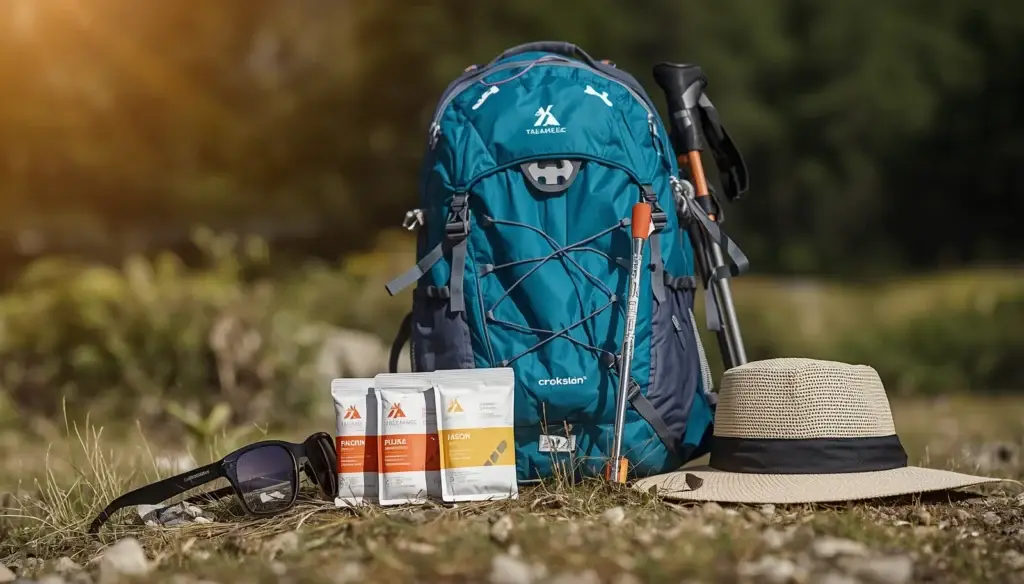
A good hiking backpack should feel like it disappears after 10 minutes.
Ideal features:
- 20L–35L capacity for day hikes
- Chest + waist straps for weight distribution
- Hydration bladder compatibility
- Lightweight frame
Beginner mistake:
Buying a huge 60L+ backpack for day hikes (you’ll just fill it with unnecessary junk)
3. Hydration Systems (Underrated but Critical)
You have two options:
- Water bottles
- Hydration bladder (hands-free drinking system)
Best choice for beginners:
Hydration bladder = easier to stay hydrated without stopping
Rule of thumb:
Bring more water than you think you need—especially in warm climates.
4. Weather Protection (Jackets + Layers)
Weather changes fast on trails—even easy ones.
Must-have features:
- Lightweight rain jacket
- Breathable fabric (avoid overheating)
- Easy packability
Layering strategy:
- Base layer: moisture control
- Mid layer: warmth
- Outer layer: wind/rain protection
5. Trekking Poles (Optional but Game-Changing)
Most beginners skip these… until they try them.
Benefits:
- Reduces knee strain on downhill sections
- Improves balance on rocky terrain
- Helps conserve energy on longer hikes
When you should use them:
- Steep trails
- Loose gravel or dirt paths
- Long-distance hikes
Pro Tips (Most Beginners Miss These)
- Break in your boots BEFORE your hike (seriously important)
- Pack lighter than you think you should
- Always carry a basic first aid kit
- Check weather twice: night before + morning of hike
- Start with shorter trails to test your setup
Final Thoughts
Good hiking gear isn’t about buying the most expensive setup—it’s about building a simple, reliable system that keeps you comfortable and safe outdoors.
Start small, upgrade as you go, and focus on real trail experience—not gear overload.
Author Note
I’ve tested a lot of different setups over time, and the biggest lesson I’ve learned is that simplicity wins. The best hikes I’ve had weren’t because of expensive gear—they were because everything I carried had a purpose and worked when I needed it.