Last Updated: April 16, 2026 | Author: Joshua S. | Reading Time: 7–9 minutes
TL;DR (Key Takeaways)
- Start with easy, short trails (1–3 miles max) to build confidence
- Bring only the essentials: water, snacks, phone, and basic gear
- Wear proper hiking shoes or trail runners to avoid blisters
- Always check weather + trail conditions before heading out
- Use a map app (AllTrails or Gaia GPS) and download offline maps
- Pace yourself—hiking is about steady movement, not speed
- Don’t overthink it—simple preparation is enough to get started safely
What Most Beginner Hikers Get Wrong
If you’re new to hiking, the biggest mistake is assuming it’s just “walking in nature.”
In reality, hiking is part preparation, part awareness, and part pacing yourself correctly.
Most beginners struggle with:
- Picking trails that are too difficult
- Not bringing enough water
- Wearing the wrong shoes
- Starting too fast and burning out early in the hike
In this guide I break everything down into simple, practical steps so you can actually enjoy your hikes instead of suffering through them.
Author Note (Experience Insight):
Even short beginner trails can feel surprisingly tough if you underestimate elevation, heat, or terrain. Most people don’t realize how quickly conditions change once you’re off pavement.
1. Choose the Right Beginner Hiking Trail
The #1 factor that determines your hiking experience is trail selection.
Beginner-friendly trail criteria:
- 1–3 miles round trip
- Under 300–500 ft elevation gain
- Well-marked and maintained paths
- Close to parking or trailhead access
Avoid as a beginner:
- “Moderate” trails
- Rocky or scramble-heavy terrain
- High elevation gain (>800 ft)
- Long out-and-back hikes without water access
2. Beginner Hiking Gear Checklist (Don’t Overcomplicate It)
You don’t need expensive gear. You need the right essentials.
Core hiking checklist:
- Water (at least 1–2 liters)
- Light snacks (protein bars, trail mix, fruit)
- Phone (fully charged)
- Offline map (AllTrails or Google Maps download)
- Basic first aid kit
Footwear matters more than anything
when you’re starting out on the trail, and this is one of those areas where the right choice genuinely makes or breaks your experience.
Trail runners are often the best pick for beginners thanks to their lightweight feel and comfort over shorter to moderate hikes, while hiking shoes give you a bit more structure and grip if you want a solid all-around option. What you really want to avoid are flat sneakers, sandals, or lifestyle shoes—they might feel fine at first, but they offer almost no support once you’re on uneven terrain.
Author Insight:
Blisters are the #1 reason beginners stop hiking early. It’s not fitness, it’s not endurance—it’s uncomfortable feet. Proper footwear matters more than backpacks, gear, or clothing combined.
If you’re unsure where to start, I recommend checking out these beginner-friendly hiking shoes. It’ll save you from guessing and help you lock in a pair that actually keeps you comfortable on the trail from day one.
3. Always Check Weather + Trail Conditions
Weather impacts hiking more than most people expect.
Avoid hiking in:
- Thunderstorms
- High heat + humidity
- Strong wind advisories
- Flooded or muddy trails
Best beginner hiking times:
- Early morning (cooler + less crowded)
- Late afternoon (golden hour lighting)
4. Hydration Rules Beginners Always Underestimate
A simple rule:
Bring more water than you think you need.
Why this matters:
Even a 2–3 mile hike in heat can dehydrate you quickly.
Pro tip:
- Drink small amounts consistently (don’t wait until thirsty)
5. Pace Yourself (This Is Where Beginners Struggle Most)
New hikers often start too fast and regret it halfway through.
Better approach:
- Start slow for the first 10–15 minutes
- Maintain steady breathing
- Take breaks before you feel exhausted
Hiking is endurance, not speed and it’s okay to sit and relax for a few minutes before moving on.
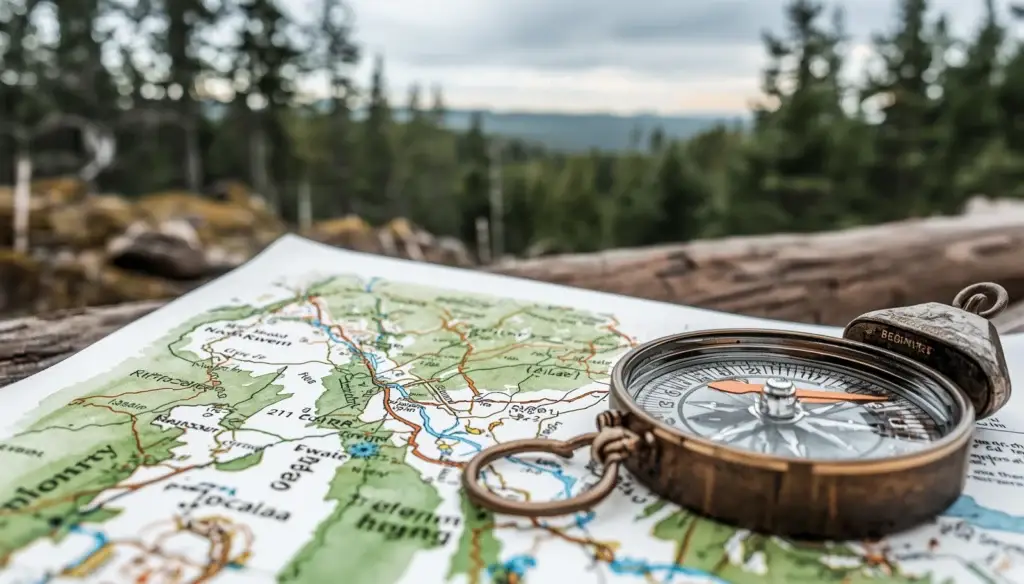
6. Navigation Basics (Don’t Rely on Memory)
Even on easy trails, paths can split or loop in ways you don’t expect. It’s easy to think you’ll remember every turn, but once you’re out there, getting turned around happens faster than you’d think—and it’s not a fun situation to be in.
Use navigation tools like:
- AllTrails
- Gaia GPS
- Downloaded offline maps
Simple rule to follow:
If you lose cell service, ensure your map will still be fully usable offline (test it).
7. Trail Safety + Wildlife Awareness
You’re visiting wildlife territory, not a park ride.
Basic rules:
- Don’t feed animals
- Stay on marked trails
- Keep distance if you see wildlife
- Make noise in dense areas (prevents surprise encounters)
8. Beginner Hiking Mistakes to Avoid
This is a high-ranking SEO section because people search it directly.
Common mistakes:
- Wearing brand new shoes on a long hike
- Not checking elevation gain
- Forgetting sunscreen
- Starting late in the day
- Not telling anyone your plan
9. Optional But Helpful Hiking Add-ons
Once you’re comfortable, consider:
- Trekking poles (great for knees + balance)
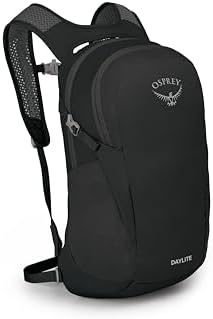
- Lightweight backpack (10–20L)
- Electrolyte packets
- Sun hat + sunglasses

10. How to Progress From Beginner to Intermediate Hiker
Once beginner trails feel easy:
- Increase distance gradually (1 mile at a time)
- Add elevation slowly
- Try loop trails instead of out-and-back
- Explore local state parks
Josh
🔗 Related Beginner Hiking Guides
If you enjoyed this guide, you’ll probably like our other beginner guides.
Best Easy Hiking Trails Near Denver for Beginners
Best Hiking Gear Reviews for Beginners (2026 Guide + Top Picks)